In antiquity a battle could end a civilisation in an afternoon. Phalanx and legion, chariot and trireme decided the fate of Greece, Persia, Carthage and Rome. Here are the decisive battles of the ancient world, each told in full.
In antiquity, as this guide frames it, war turned on the phalanx and the legion, the chariot and the trireme, and a single battle could end a civilisation in an afternoon. These clashes decided the fate of Greece, Persia, Carthage and Rome.
Which ancient battles does the guide consider the most decisive?
The guide points to Gaugamela in 331 BC, where Alexander shattered the Persian Empire, Zama in 202 BC, where Scipio beat Hannibal and ended Carthage, and Actium in 31 BC, the sea battle that made the first emperor. Each closed an era of the ancient world.
What tactic from antiquity became a model of battlefield genius?
The guide singles out Cannae in 216 BC, where Hannibal executed a perfect double envelopment against Rome. It stands as antiquity's clearest example of destroying a larger army through maneuver.
How did the ancient Greeks turn back the Persian invasions?
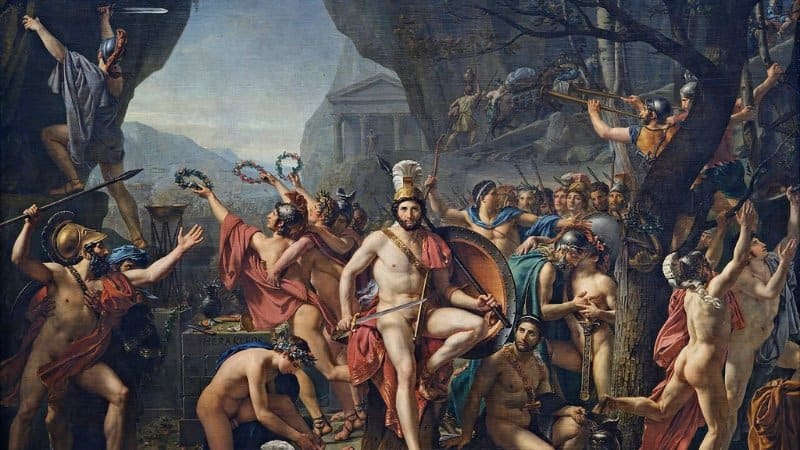
According to the guide, Marathon in 490 BC saw Athens save itself and the idea of Greece, while at Salamis in 480 BC the Persian fleet was broken in the narrows. Thermopylae in 480 BC gave the era its most legendary stand.
Which battles does the ancient guide cover?
This guide to the greatest battles of antiquity covers Marathon, Thermopylae, Salamis, Gaugamela, Cannae, Zama and Actium, seven decisive days spanning 490 BC to 31 BC.
Relive the battles
Echoes of Battle brings 40 of history's greatest battles to life, scene by scene, with a real-time tactical mode in the works. Join the list to be first when it launches.